In the past, recycling was a “low-cost” industry, born out of necessity to reuse what couldn’t be bought new.
Today, large companies that fail to invest in recycling risk falling behind.
The market has changed:
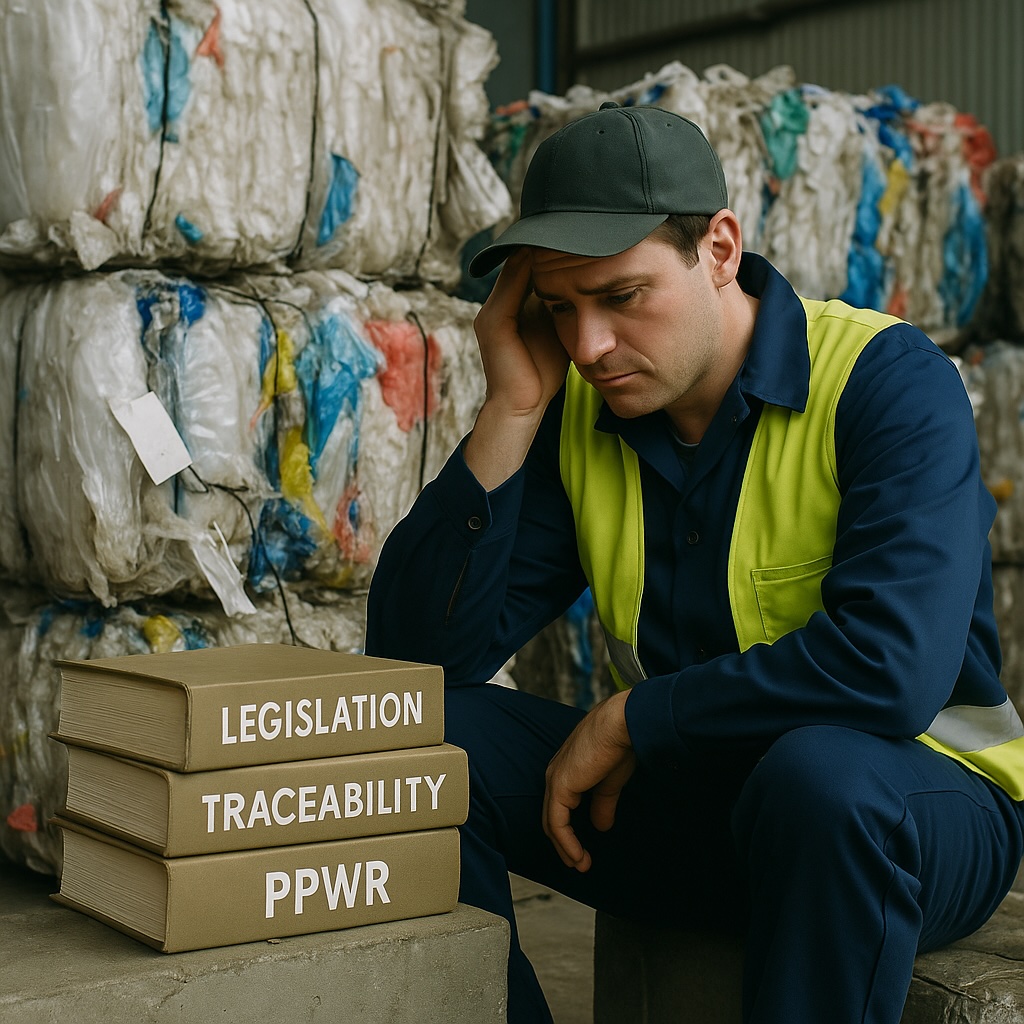
- Stricter regulations in theS. and EU (and a lot of other countries) now require recycled content in products.
- Brands seeksupply chain security and lower exposure to raw material volatility.
- Investors see recycling asa high-growth industry with strategic importance for the future.
Where is the opportunity?
- Acquiring recycling plantsto secure a steady supply of recycled raw materials.
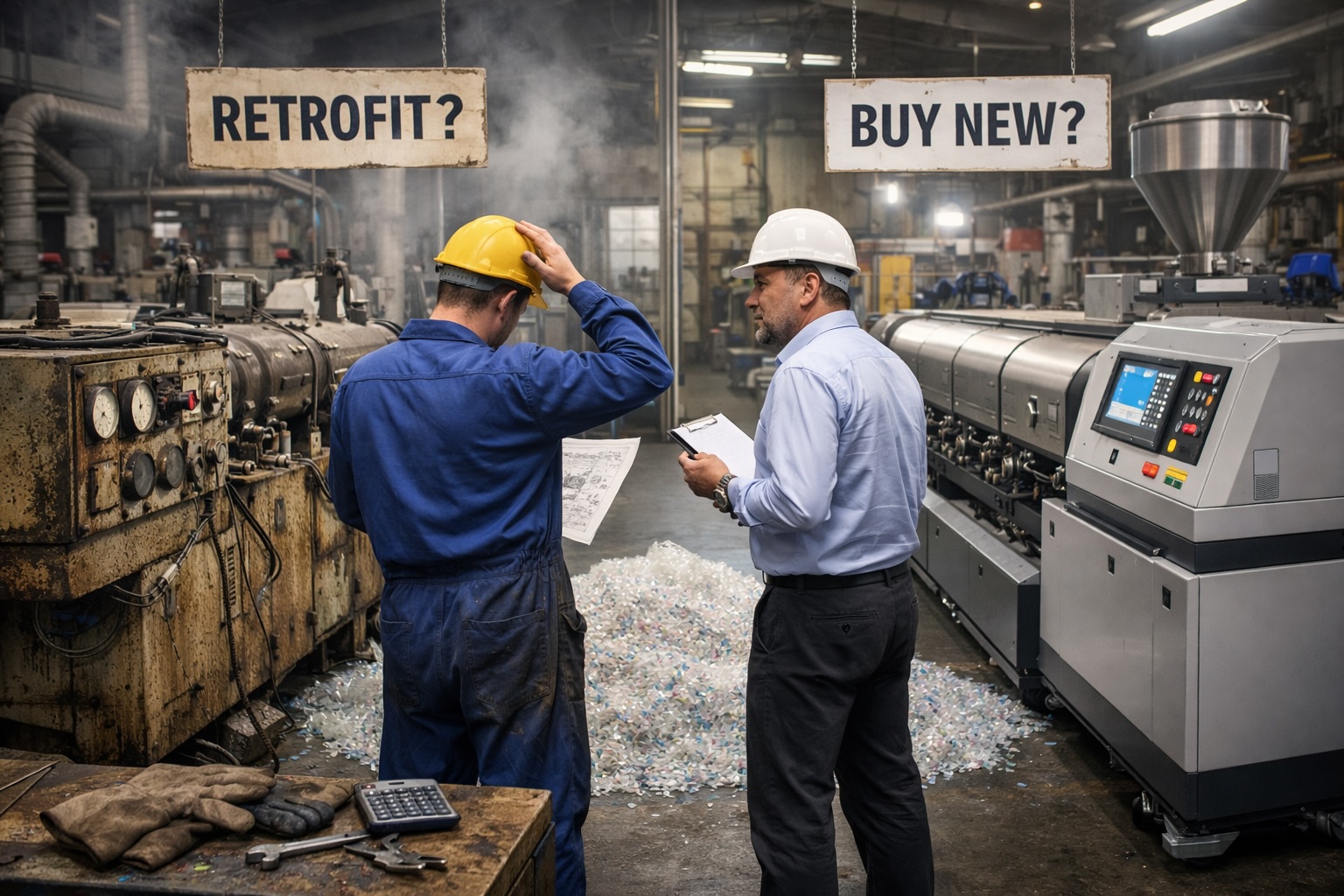
- Upgrading existing operationsto integrate high-quality recycled plastics.
- Leveraging tax incentives and regulationsthat favor companies with sustainable strategies.
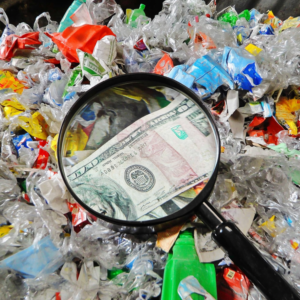
Numbers don’t lie:
The global recycled plastics market is projected to exceed $76 billion by 2030, growing at an annual rate of 6%(Source: Straits Research).
The reality of costs:
While investing in recycling can provide long-term economic advantages, the short-term cost of recycled plastics can sometimes be higher than virgin plastics, particularly when oil prices are low.
However, companies investing in recycling secure their future market access, reduce exposure to price fluctuations, and align with growing consumer and regulatory demands—ensuring resilience and competitiveness in the long run.
What’s your opinion?
Is now the time to invest in recycling, or are there still doubts?
Please share your thoughts in the comments below!
#SustainableInvesting #Recycling #EcoplastConsulting #CircularEconomy #MergersAndAcquisitions #ESG