These summer days give us more time to notice and reflect on certain things.
The plastics industry has struggled to effectively communicate the undeniable benefits of plastics in certain products, especially when compared to alternatives like the classic Tetrapak. The Tetrapak industry has successfully promoted their image as environmentally friendly, but what is the reality behind these “eco-conscious” water cartons?
Today, I came across a “water bottle” packaged in a Tetrapak. I still can’t understand how, if plastic is supposedly so harmful, it’s used not only on the outer layer of this product but also as the layer in direct contact with the water. Between these two plastic layers, they’ve added cardboard and what seems to be aluminum (although I can’t confirm due to the extensive amount of adhesive making it difficult to separate). To top it off, they’ve introduced a cap supposedly made from bio-based materials.
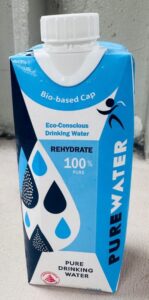
This packaging is incredibly complex to recycle, as it contains four different materials—plastic, cardboard, aluminum, and bio-plastic. The bio-plastic behaves similarly to polypropylene (PP) or polyethylene (PE) in the recycling process, all of which float in water. However, during extrusion in a typical polyolefin recycling flow, it becomes a contaminant.
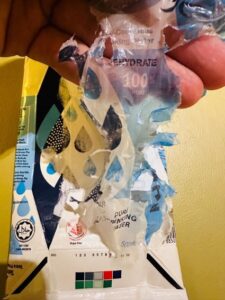
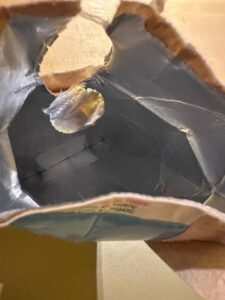
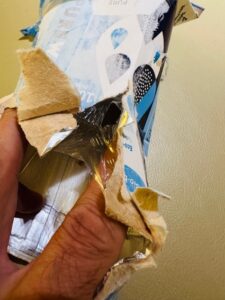
Did you know how difficult it is to recycle a Tetrapak? Is there anyone in the recycling industry in the audience who can share the energy consumption in kWh needed to recycle a ton of these multi-material packages and their associated CO2 emissions?
I’d greatly appreciate anyone who can provide concrete data.
#Sustainability #Packaging #RecyclingChallenges #PlasticVsCarton #Tetrapak #EcoFriendlyOrNot