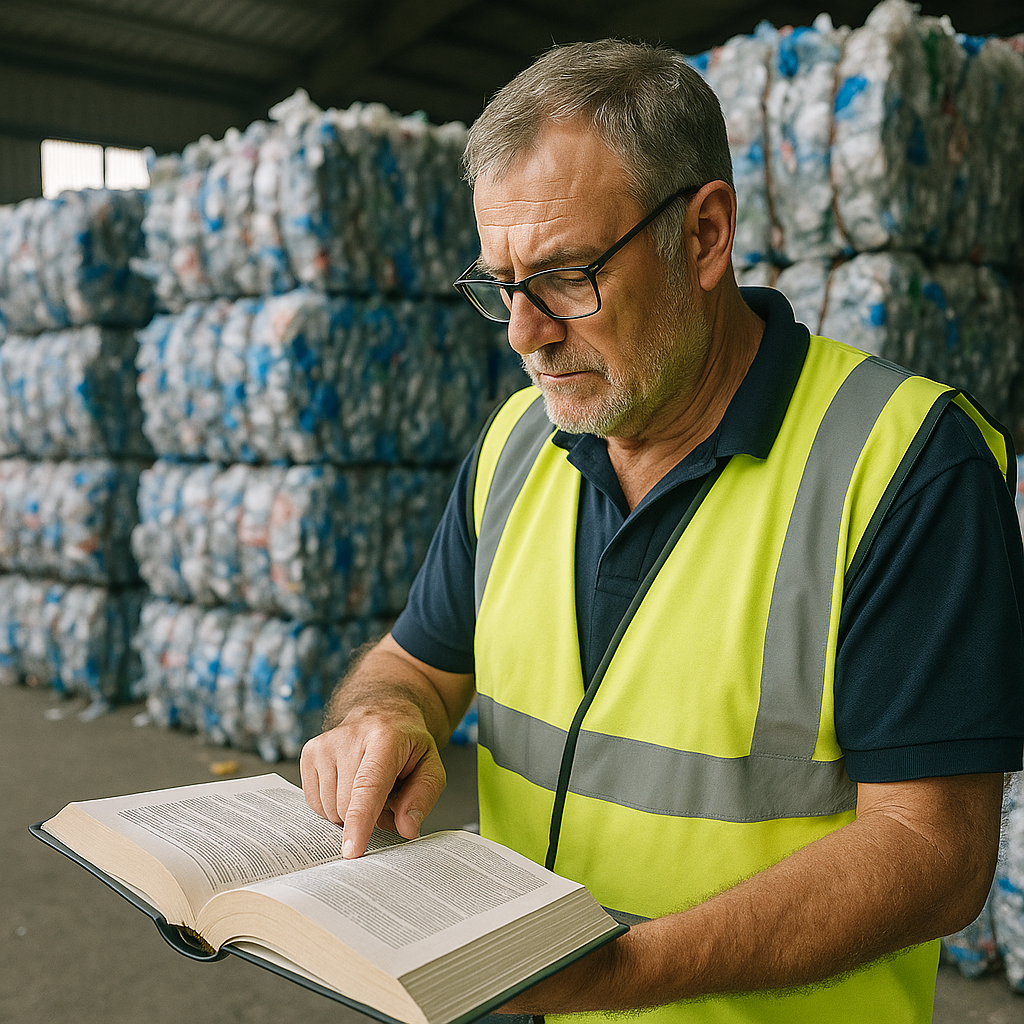
In a recycling plant, every second of downtime translates into production losses, increased costs, and potential bottlenecks. While preventive maintenance programs are essential, one of the most underutilized resources in preventing breakdowns is the operating staff. Operators work with the machines daily, and with the right mechanical training, they can detect early warning signs of potential failures long before they escalate into costly repairs.
✅ Early Detection of Wear and Tear – Operators interact with machines every day. Training them to recognize signs of vibration anomalies, overheating, or unusual noises allows maintenance teams to intervene before failures occur.
✅ Understanding Stress Points in the Process – Each recycling line has critical stress points where mechanical failures are more likely to occur—whether it’s bearings in high-speed shredders, motors in washing units, or conveyor belt misalignments. Operators trained in recognizing these high-risk areas will be more alert to potential problems.
✅ Reducing Reactive Maintenance – Unplanned stoppages due to undetected mechanical issues often result in emergency repairs, increased spare parts costs, and longer downtimes. With proactive detection from operators, plants can shift from reactive to predictive maintenance, reducing overall costs.
✅ Better Communication Between Operations and Maintenance – Operators who understand mechanical fundamentals can provide clearer reports to maintenance teams. Instead of vague complaints like “The machine doesn’t work properly,” they can report precise symptoms such as “The gearbox is running hotter than usual, and I hear a grinding noise.”
🎓 What Should Operator Training Include?
🔹 Basic Mechanical Knowledge – Understanding machine components, their function, and common failure points.
🔹 How to Identify and Report Abnormalities – Recognizing unusual noises, temperature increases, vibrations, and irregular movements.
🔹 Lubrication Awareness – Knowing which parts require lubrication, how often, and the risks of over- or under-lubrication.
🔹 Visual and Tactile Inspections – Teaching operators how to spot loose bolts, misalignments, and abnormal wear patterns.
🔹 Data Monitoring – Encouraging the use of available sensors, load indicators, and pressure gauges to monitor machine health.
By incorporating mechanical awareness training into the onboarding and continuous education of operators, plants can significantly increase uptime, optimize maintenance schedules, and reduce unexpected costs.
⏳💰 The Real Savings: Time and Money
A production line that suddenly stops due to mechanical failure can lead to hours—sometimes even days—of lost productivity. If a machine breakdown requires emergency repairs, not only are maintenance costs higher due to urgent labor and spare part sourcing, but production schedules also suffer, leading to late deliveries and customer dissatisfaction.
🔹 Studies in industrial maintenance show that plants with well-trained operators can reduce unplanned downtime by up to 30-40%, simply by detecting early warning signs of failures.
🔹 An unexpected major breakdown in a recycling plant can cost thousands of dollars per hour in lost production, not including the cost of spare parts and labor.
🔹 Operators who report issues early can save an average of 4 to 6 hours per week in emergency maintenance work, allowing maintenance teams to focus on scheduled interventions rather than costly last-minute repairs.
The financial impact is clear: a well-trained operator is not just a production worker, but a key player in protecting company assets and improving overall plant efficiency.
⚙️ The Future of Maintenance Starts with the Operator
Many plant managers see maintenance as a separate department, responsible for all repairs. But in reality, operators are the first line of defense against mechanical failures. A well-trained workforce can extend the life of equipment, reduce costly downtimes, and ensure a smoother production process.
Is your plant investing in mechanically trained operators? What strategies have worked for you in reducing machine failures? Let’s discuss in the comments! 👇
#Recycling #IndustrialMaintenance #MechanicalTraining #PlasticsRecycling #Efficiency #PredictiveMaintenance #CostReduction