Water is one of the most valuable and scarce resources we have, and its effective management is essential for the sustainability of any recycling plant. Yet, wastewater treatment is often overlooked during the design phase, leading to inefficiencies and costly upgrades later on. At Ecoplast Consulting, we believe that designing a robust and efficient wastewater management system is as critical as the recycling process itself.
- Understanding local discharge limits and water sources: The first step to designing an effective system is understanding the local discharge limits set by the municipality and identifying the water source for the plant. Is it a well, potable water (which should be avoided if possible), or non-potable water from the network? Each option comes with its own constraints, costs, and environmental considerations. By analyzing these factors, we can align the plant’s processes with sustainable water usage while ensuring compliance with regulations.
- Maximizing water recovery and reuse: An essential part of wastewater management is designing the plant to recover and reuse water throughout the recycling process. For instance, as water progresses through the installation, it can be collected and reused in washing stages where its quality won’t negatively impact the recycled plastic. Clean water is prioritized for final rinse stages, while recovered water is utilized for pre-washing or low-critical phases. This approach not only reduces water consumption but also minimizes operational costs, contributing to the plant’s overall sustainability.
- Overdimensioning wastewater treatment systems: Based on our extensive experience, one critical recommendation is to overdimension the wastewater treatment system during the design phase. Why? Because expanding capacity later can be costly and complex. The system must be designed to handle the expected contaminant load, which largely depends on the input material and its origin. An underestimated load can lead to inefficiencies, increased maintenance, and even regulatory issues.
- Choosing the right treatment process: The specific treatment process—whether physical-chemical or with additional biological stages—depends on the characteristics of the wastewater and the contaminants present. Each plant’s needs are unique, and choosing the right technology is crucial for achieving optimal results. This is where Ecoplast Consulting comes in, providing tailored solutions for your plant’s specific needs.
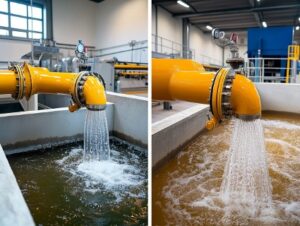
Efficient wastewater management is not just a technical necessity—it’s a step toward a more sustainable future. By designing systems that conserve water, reduce environmental impact, and align with local regulations, we contribute to the long-term viability of recycling operations. At Ecoplast Consulting, we’re here to guide you through this process, ensuring your plant’s water management system is not only effective but also aligned with the highest standards of sustainability.
What Do You Think? Have you faced challenges in managing wastewater in your recycling operations? Share your experiences in the comments—let’s start a conversation about how we can improve water usage and sustainability in our industry.