As we step into 2025, the recycling industry is at a crossroads of challenges and opportunities. Technological innovation, regulatory changes, and increasing environmental awareness are reshaping how businesses operate and adapt to a circular economy. At Ecoplast Consulting, we’ve identified key trends that will define the future of recycling this year—and beyond.
1. Artificial Intelligence in Sorting Systems 🤖
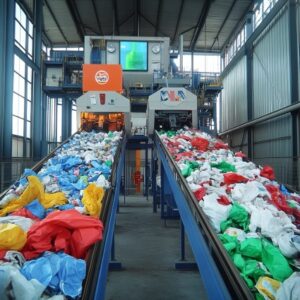
AI continues to revolutionize waste management by improving sorting accuracy and efficiency. Machine learning algorithms and vision systems now enable plants to identify and separate even the most complex materials, such as multi-layered plastics.
- Why It Matters: Reduced contamination means higher-quality recyclates and fewer rejections from downstream processes.
- Our Take: Integrating AI in recycling plants isn’t just about technology; it’s about building smarter, more adaptable operations.
2. Stricter Regulations Driving Compliance 📜
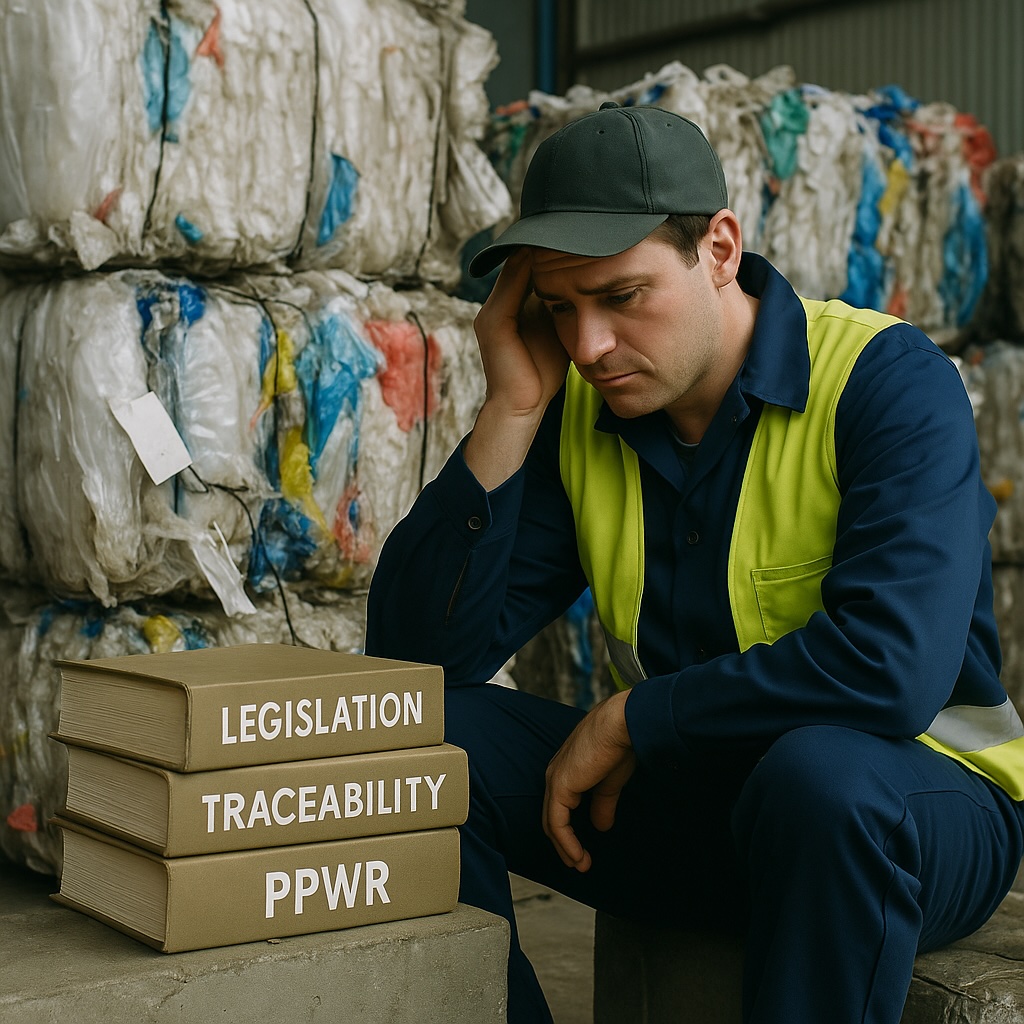
Governments worldwide are intensifying regulations to reduce plastic waste and promote recycling. From extended producer responsibility (EPR) schemes in Asia to higher recycled content mandates in Europe, businesses must adapt quickly.
- Why It Matters: Companies that fail to meet compliance risk fines, reputational damage, and operational disruptions.
- Our Take: Early preparation is critical. Conducting regulatory audits and aligning with emerging standards ensures businesses stay ahead of the curve.
3. Growth in Chemical Recycling Technologies 🧪
Chemical recycling is gaining traction as a complementary solution to mechanical methods, particularly for plastics that are difficult to process conventionally. Pyrolysis, depolymerization, and solvolysis are paving the way for better utilization of post-consumer waste.
- Why It Matters: This technology has the potential to close the loop for materials previously deemed non-recyclable.
- Our Take: The challenge lies in scalability and energy efficiency—key areas we help clients navigate.
4. Expansion of Circular Economy Collaborations 🔄
Collaboration across the value chain is essential to achieving a true circular economy. Partnerships between recyclers, brand owners, and governments are enabling more robust waste collection systems and infrastructure development.
- Why It Matters: Effective collaboration ensures that materials are not only recycled but also reintegrated into the economy sustainably.
- Our Take: Facilitating these partnerships requires a clear strategy and an understanding of each stakeholder’s role.
5. Focus on Operational Efficiency and Sustainability 🌱
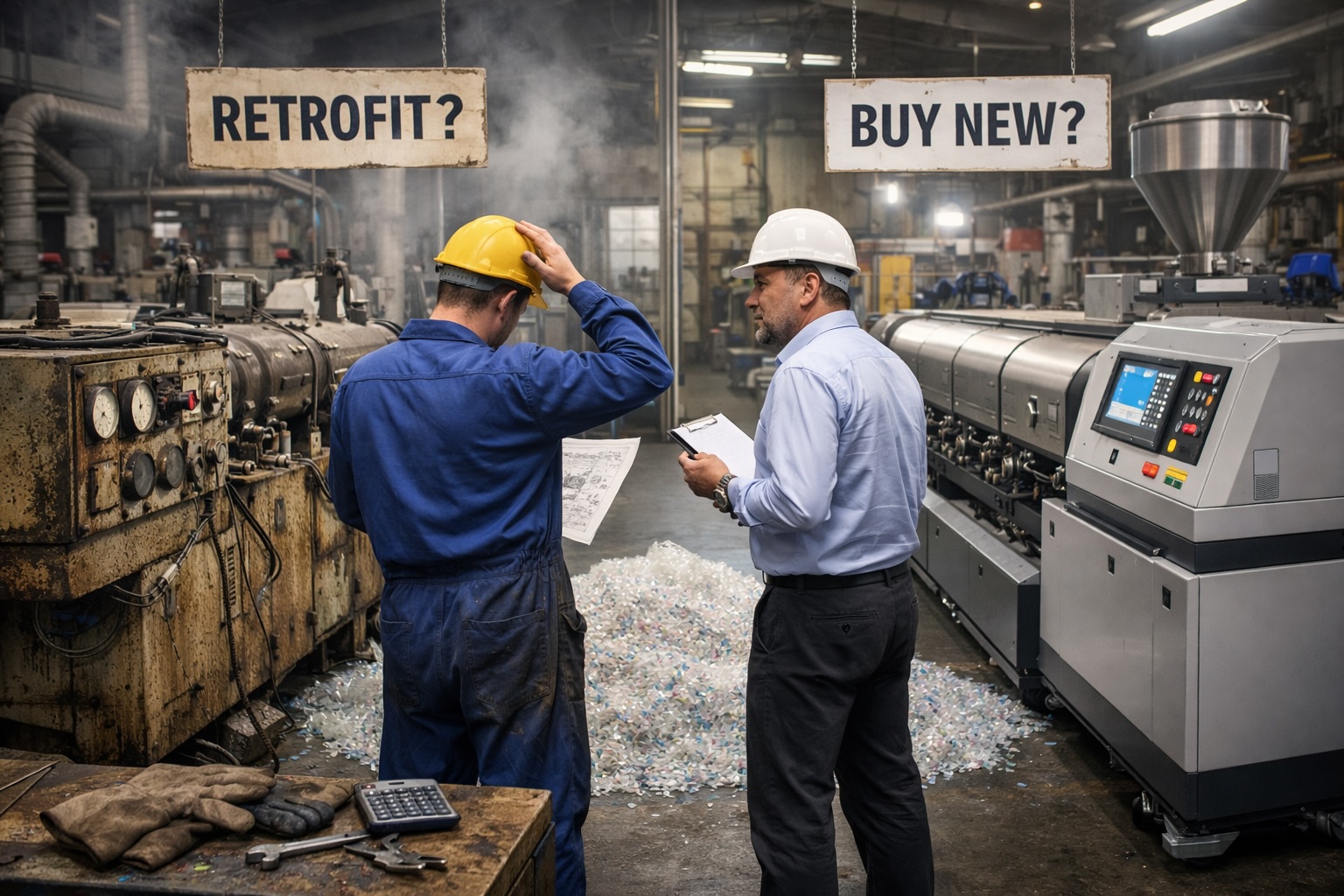
Rising energy costs and increased scrutiny of carbon footprints are pushing recycling plants to optimize their operations. From energy-efficient machinery to water recycling systems, sustainability is becoming a competitive advantage.
- Why It Matters: Sustainable practices not only reduce costs but also enhance a company’s reputation.
- Our Take: Designing plants with efficiency and sustainability at their core is no longer optional—it’s a necessity.
What Does This Mean for Your Business?
2025 presents an incredible opportunity to innovate, adapt, and lead in the recycling industry. However, navigating these trends requires expertise and a strategic approach. At Ecoplast Consulting, we bring over 25 years of experience to help you:
- Integrate cutting-edge technologies into your operations.
- Stay compliant with evolving regulations.
- Optimize your processes for efficiency and sustainability.
Are You Ready for the Future?
Let’s make 2025 a transformative year for your recycling business. Contact us today to explore how we can support your journey toward innovation and sustainability.
#Recycling #CircularEconomy #Innovation #Sustainability #PlasticsIndustry #FutureOfRecycling