It made me smile — because clearly, if you want attention on LinkedIn, talk about money. 💰
When I published Part 1 of this article, I didn’t expect such an avalanche of feedback. But it confirmed something powerful: when we talk openly about cost, business, and fairness — people engage.
The comments were insightful, provocative, and diverse:
- “Recycled should be more expensive — it’s about impact, not price.”
- “The real cost comes from sorting and decontaminating waste.”
- “We need to make virgin pay its fair share.”
- “PCR can be even better than virgin — but only when feedstock is high quality.”
So I decided to go deeper — not just to continue the conversation, but to acknowledge the voices that made it richer.
The Current Reality: Volatility vs. Scale
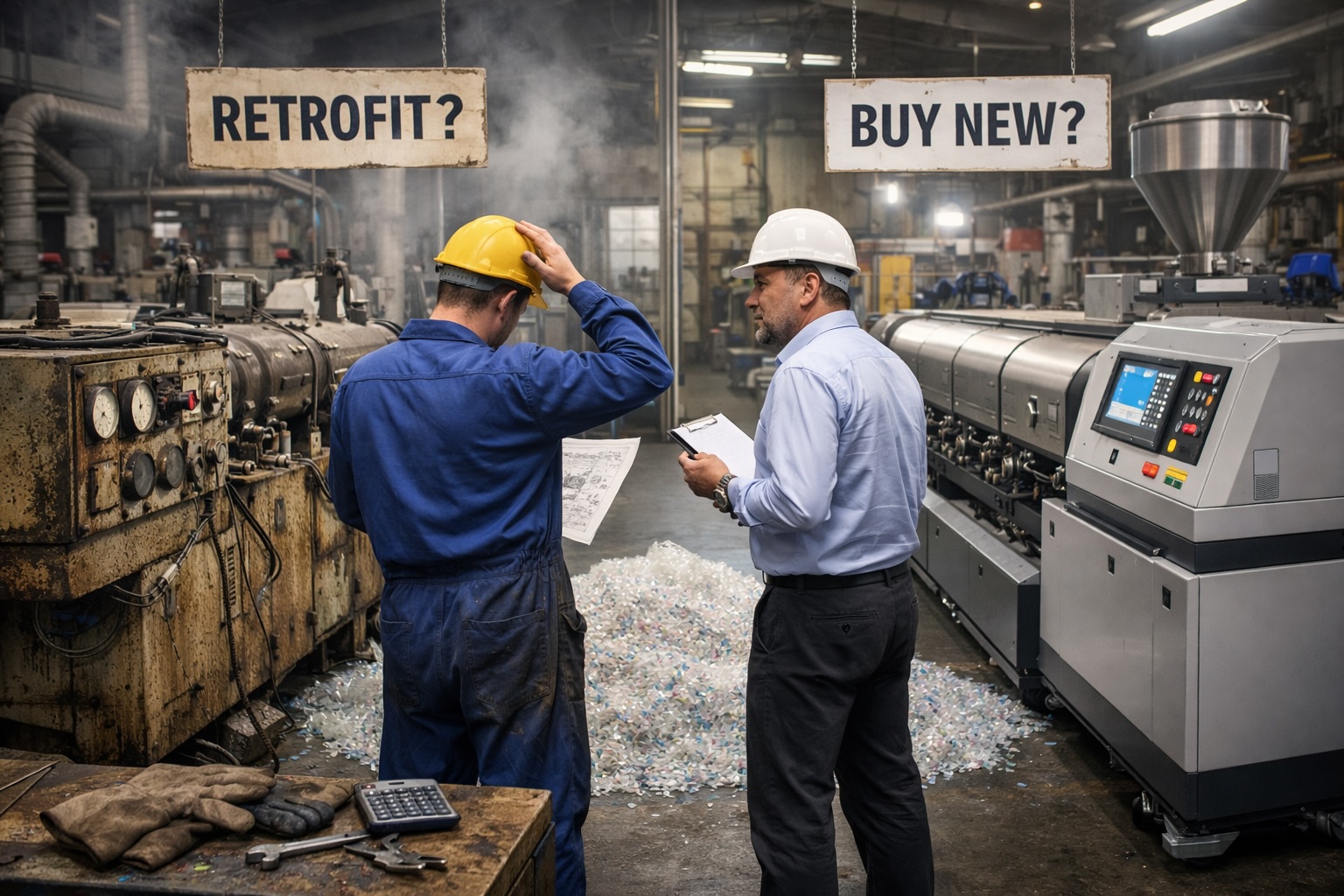
Virgin resin is produced at massive scale. Meanwhile, recyclers operate in a highly fragmented and unstable market, where raw materials are sourced from auctions that fluctuate wildly in price and availability. Supply is never guaranteed, and production costs vary constantly — making long-term business planning risky and machinery investments even harder to justify.
In these conditions, every ton of recycled plastic is a technical, operational, and financial a challenge.
And unlike petrochemical production — which benefits from stable supply chains and long-standing infrastructure — recycling must adapt daily to inconsistent feedstock, contamination levels, and shifting regulatory demands.
A word on the Petrochemical Industry
Let’s be clear and fair. Thanks to the petrochemical industry, we’ve had access to extraordinary materials that revolutionized modern life. From packaging to healthcare, from transport to construction — plastics made countless innovations possible. Behind that progress are brilliant minds in R&D that continue to drive material science forward and made our lives easier.
But like in every industry, adaptation is key. Just as oil companies adapted to the rise of electric vehicles, polymer producers must now adapt to circularity, because lets be clear : Every ton of recycled plastic sold is one ton less of virgin sold.
The Real Cost of Recycled Plastics
Many readers emphasized in my last article what recyclers already know: recycled plastic isn’t cheap — and it shouldn’t be at the end of the day we need a long and expensive “circus installation” to end from a waste bin into a pellet. Why?
Because it includes several costs, some difficult to measure as they are intangible, costs of:
- Collection and sorting of complex waste streams specially in certain areas of the world
- Decontamination and washing
- Quality testing and traceability
- Worker safety and fair wages
- Environmental impact mitigation
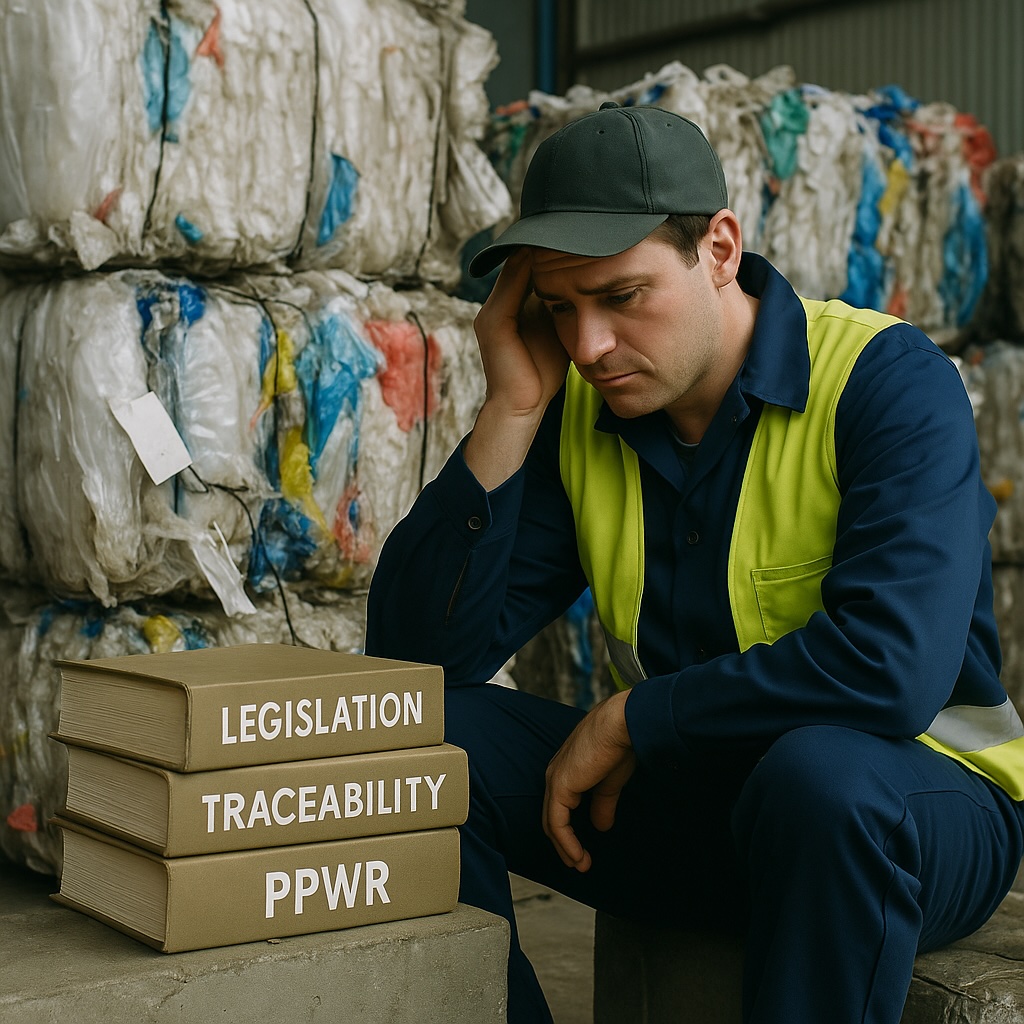
- Compliance with growing regulations
If we want a circular economy, this work must be done — and someone must pay for it. – Consumer/User ?
What if virgin plastic carried a built-in responsibility cost?
Rethinking Green Fees
In many countries, producers already pay so-called “green fees” to support national recycling systems. But let’s be honest: is that money being used as effectively and wisely as it could be?
From my experience, many of these organizations — despite being well-funded by petrochemical giants — seem more focused on visibility campaigns than on real structural support. When you reach them out with concrete proposals or operational insights, the doors are often closed, or the reply is: “we’re too busy.” Or not even a reply.
These boards tend to be filled with senior executives from the companies that fund them, yet there is often little representation from those truly on the ground — the recycling plant owners, operators, engineers, and material specialists who understand the technical and economic challenges firsthand because they suffer them every day and night.
If we want green fees to drive meaningful change, we must go beyond branding. The funds should be transparently allocated and guided by real industry expertise. Only then can we truly:
- Support high-quality waste collection and sorting
- Fund R&D in advanced recycling technologies
- Stabilize PCR markets by improving feedstock supply
- Make recycled content more cost-competitive
- Help recyclers plan long-term, invest, and scale sustainably
This isn’t about creating friction between industries. It’s about shifting from passive compliance to active collaboration — because recyclers can’t carry the system alone, and the future of circularity depends on shared, strategic investment.
Looking Forward
Plastic recycling is still maturing. The system is complex, imperfect, and in need of reform. But pretending that recycled plastics must compete purely on price with virgin materials — without context — ignores the big elephant in the room.
If we want change, we must acknowledge the real cost of doing the right thing.
Let’s stop asking, “Why is recycled so expensive?”
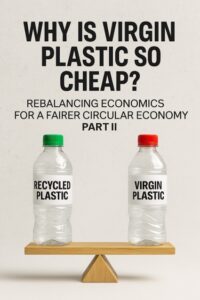
And instead ask, “Why is virgin still so cheap?” — without contributing its fair share to the system we all depend on.
What’s your view?
Should virgin plastic include a circularity fee?
What role should regulators, brand owners, and petrochemical firms play?
Let’s keep the conversation going — because this isn’t just about price. It’s about designing a future that works for everyone, recyclers also.
#Recycling #CircularEconomy #Plastics #Sustainability #PCR #Strategy #Investment #Fairness #Innovation